Water Damage Restoration La Vergne, TN
24/7 water damage restoration in La Vergne, TN. The restoration team pulls out standing water, dries homes and buildings to the IICRC S500 standard and records every step for the insurance claim.
(888) 849-5796Start the La Vergne dry-outZIP 37086, from Lake Forest Estates and Cedar Lake to Akin Heights.
What to do when water is still coming in
- 1
Close the main valve
Shut the water off at the main or at the fixture that failed, if you can reach it safely.
- 2
Switch off wet circuits
Only from a breaker panel that sits on dry ground.
- 3
Keep clear of creek water
Flash flood water can rise and fall within hours; stay out of it and away from outlets.
- 4
Take photos first
Shoot the water line, the source and every wet room before moving anything.
- 5
Lift and call
Raise rugs and valuables off the floor. Mold can start within 24 to 48 hours.
Water Damage Restoration Services in La Vergne, TN
Fourteen kinds of water loss across La Vergne homes, apartments and warehouses, each handled the way its source demands. Choose the one in front of you.
Water Extraction and Removal
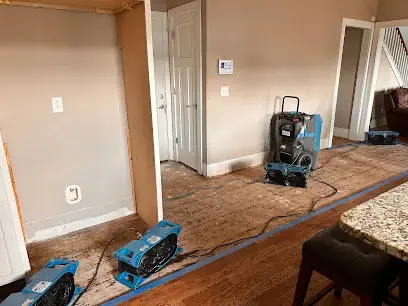
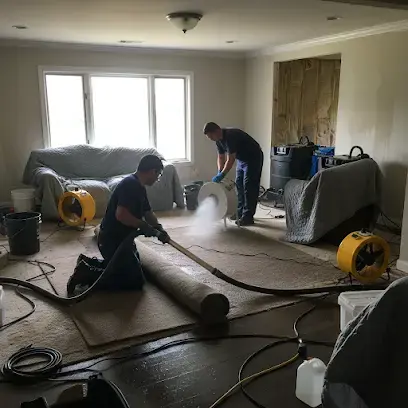
Creek water and pipe water pulled out fast with truck-mounted extraction, then dried to a reading.
See water extraction and removal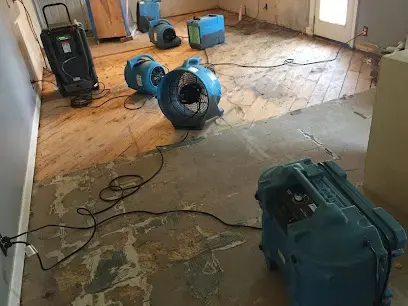
Slab Leak Water Damage
A warm floor spot or a meter that never stops traced with meters, then the floor dried.
See slab leak water damage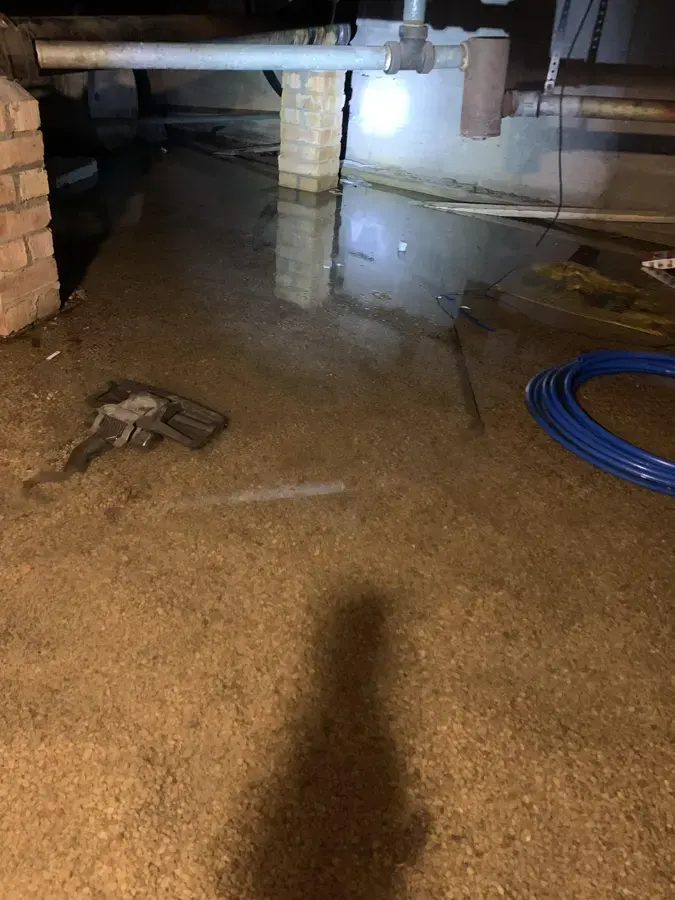
Crawl Space Water Damage
Water under the house pumped out, soaked vapor barrier pulled and joists brought back to dry.
See crawl space water damage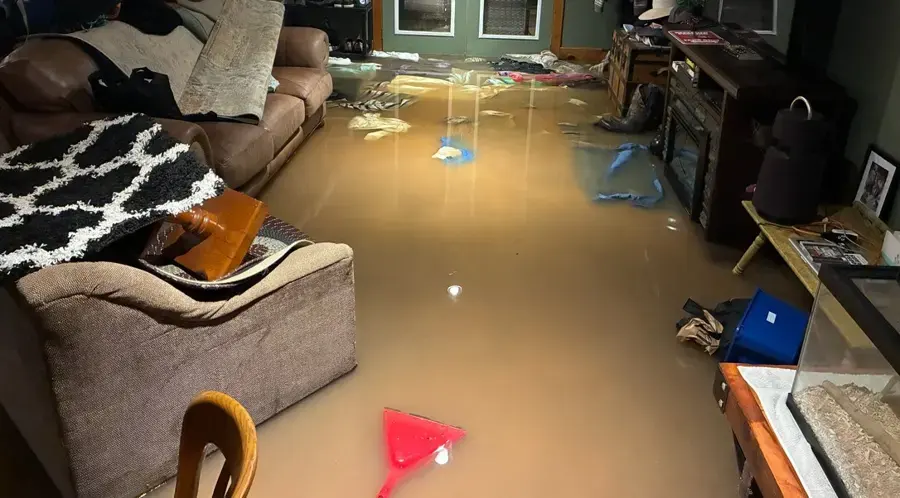
Storm and Flash Flood Cleanup
Hurricane Creek and Finch Branch flash floods treated as Category 3 water and dried out.
See storm and flash flood cleanup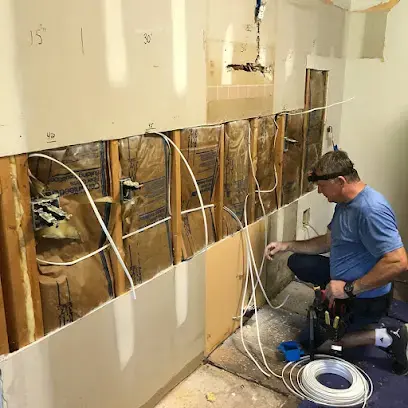
Burst Pipe Water Damage
Failed supply pipes and fittings in newer homes extracted, with walls opened only where meters say.
See burst pipe water damage
Frozen Pipe Cleanup
Pipes split in a hard freeze found in attics and outside walls, then dried in place.
See frozen pipe cleanup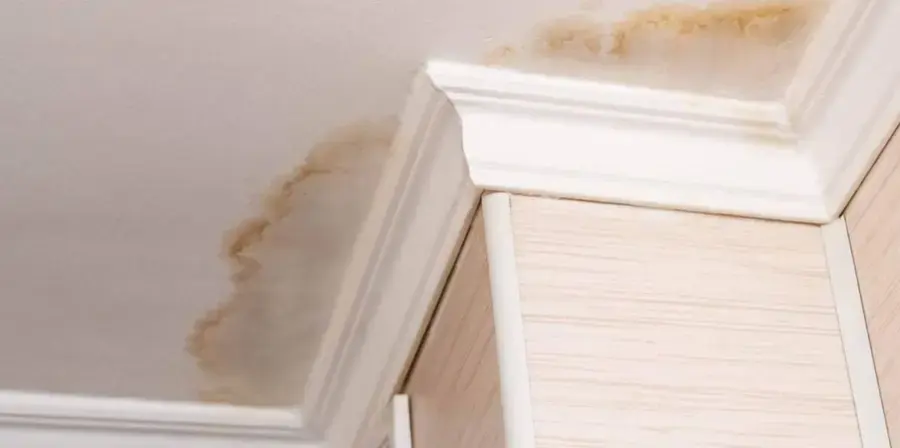
Ceiling Leak Water Damage
Leaks from the unit or bathroom above traced, wet drywall opened and the ceiling dried.
See ceiling leak water damage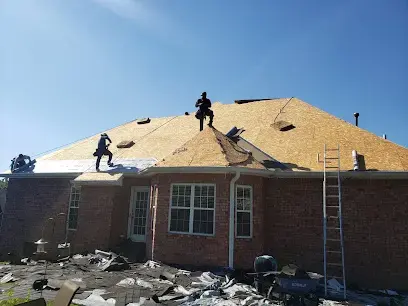
Roof Leak Water Damage
Storm openings in roofs now about two decades old covered, attics and ceilings dried.
See roof leak water damage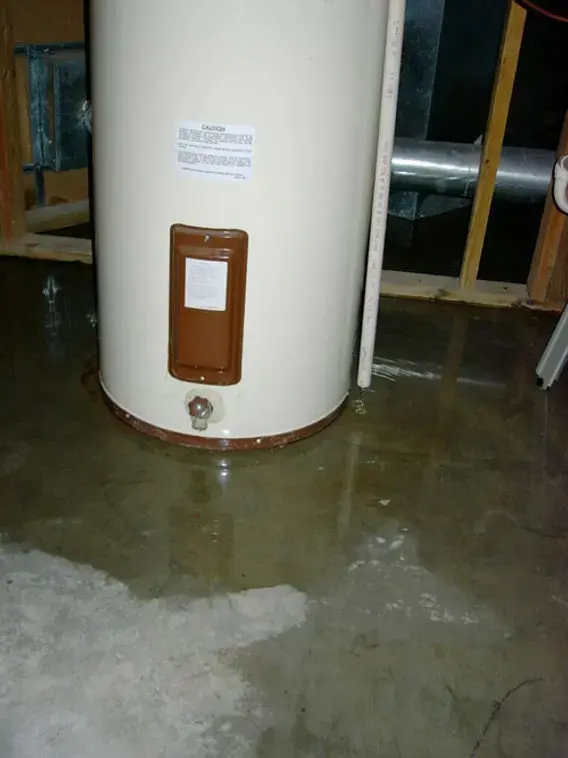
Water Heater Leak Cleanup
Tanks from the original build era that let go, extracted and the rooms around them dried.
See water heater leak cleanup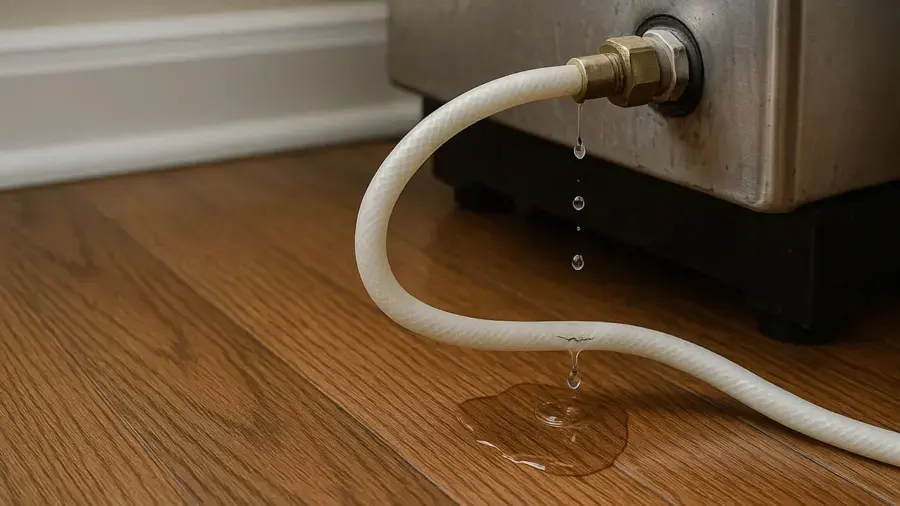
Appliance Leak Water Damage
Washer and dishwasher leaks dried before they reach the floors and units next door.
See appliance leak water damage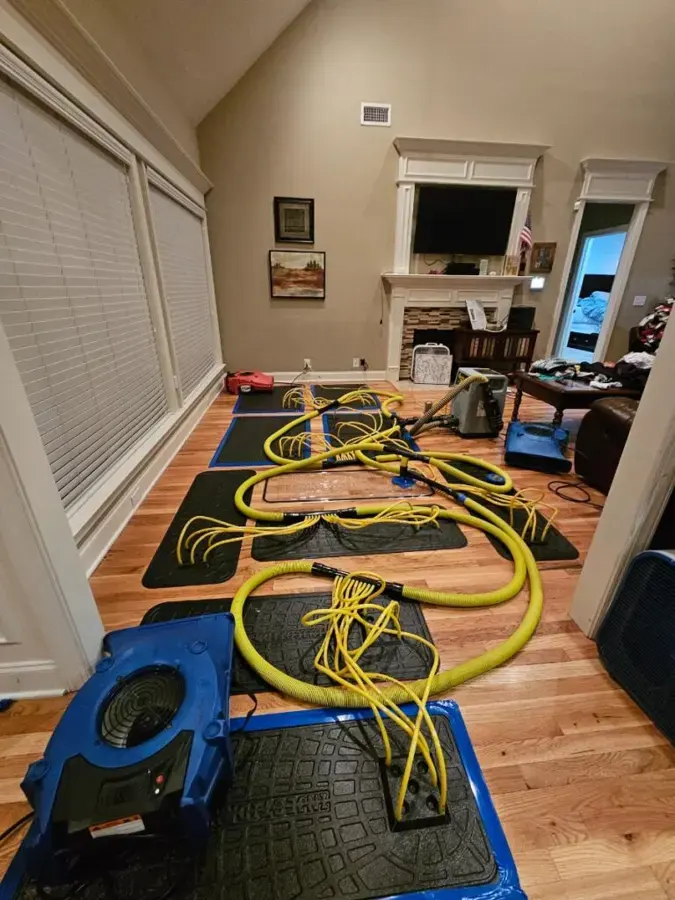
Hardwood Floor Water Damage
Cupping wood floors dried with mats and daily readings in the humid summer air.
See hardwood floor water damage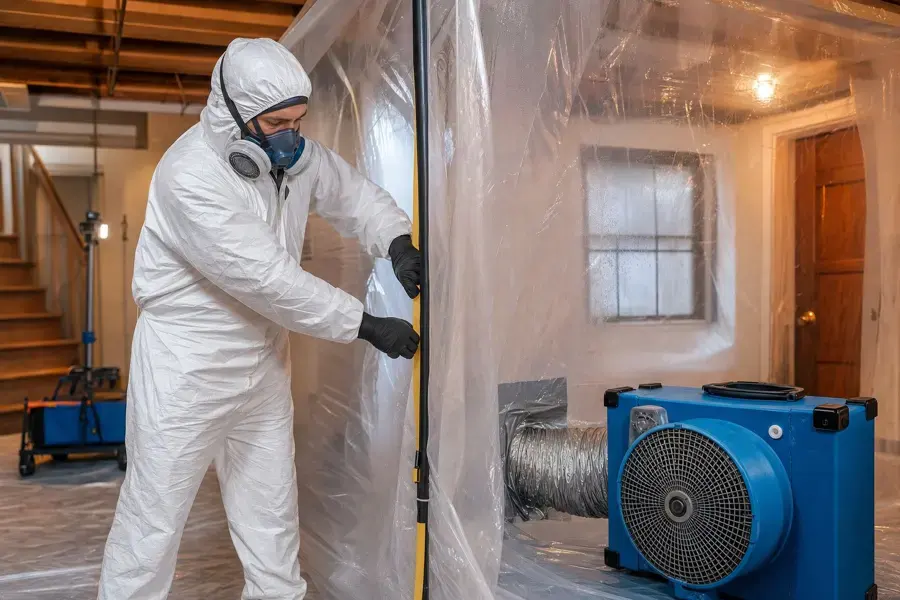
Sewage Backup Cleanup
Category 3 backups contained, porous materials removed and surfaces treated with antimicrobial.
See sewage backup cleanup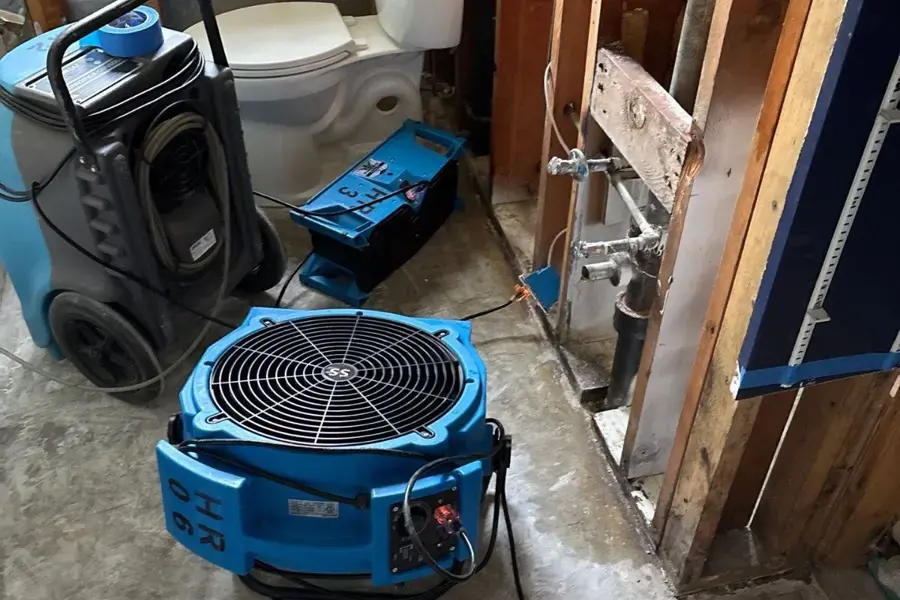
Structural Drying and Dehumidification
Framing, subfloor and concrete dried until readings match a dry reference within 2 to 4 points.
See structural drying and dehumidification
Commercial Water Damage
Warehouses, plants, strip retail and apartment complexes dried in phases to keep working.
See commercial water damage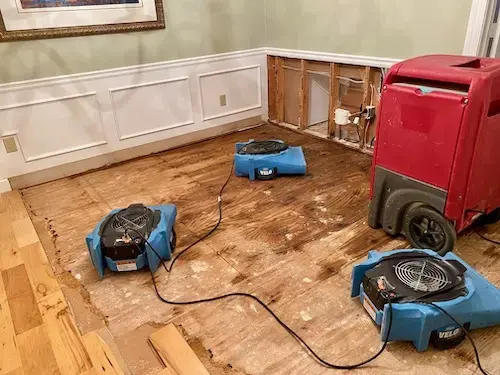
How the La Vergne restoration crew handles a water loss
Most La Vergne homes went up from roughly 1990 on, and about a quarter of households rent, many in apartments and condos. Water that starts in one unit often ends up in the next, so the restoration team works from readings.
Rapid local response
Crews dispatch day and night, and water still moving in a La Vergne home is handled as urgent.
IICRC S500 drying standard
Drying goes into the framing and subfloor, with equipment matched to the class of each room.
Claim-ready documentation
A moisture map, daily psychrometric logs and photos shot before anything is torn out.
Hurricane Creek water experts
Flash floods, unit-to-unit leaks and aging water heaters are the usual losses here.
La Vergne homes dried to the IICRC S500 standard
A La Vergne dry-out is finished when the readings say so, not when the floor looks dry. The order of the work matters as much as the equipment, and every reading is written down for the claim.
- 01
Map the moisture
Before any equipment is set, the tech who does the walkthrough checks every wet material with pinless meters and thermal imaging.
- 02
Pull the water out
Standing water leaves the building first; the extraction crew also presses it out of carpet and pad.
- 03
Size the drying
Air movers and LGR dehumidifiers go in by the class of loss, with desiccants for dense materials and concrete.
- 04
Read until dry
Every day the drying team logs readings, and equipment stays until wet materials land within 2 to 4 points of a dry reference.
What does water damage restoration cost in La Vergne, TN?
In La Vergne, TN, water damage restoration typically runs $1,000 to $25,000. A clean leak caught early lands near the bottom of that range, while a creek flood or a sewage backup lands near the top, driven by water category, square footage, materials and drying speed.
Small clean-water leak
$1,000 to $3,500
- One or two rooms
- Extraction and drying in place
- Daily moisture readings
Several rooms or a unit below
$3,500 to $9,000
- Pad, flooring and flood cuts
- LGR and desiccant drying
- Claim file documentation
Flood or sewage, much of the home
$9,000 to $25,000+
- Category 3 removal
- Containment and HEPA
- Extended structural drying
These are typical ranges, never quotes. For a closer read on your own situation, try the water damage cost calculator or the drying time estimator.
All water damage categories covered in La Vergne, TN
Category 1: clean water
Supply pipes, water heaters and leaks under a slab. Caught early, most materials dry in place.
Burst pipe water damageCategory 2: gray water
Washers and dishwashers, often in apartments and condos. Pad comes out and surfaces get antimicrobial.
Appliance leak water damageCategory 3: black water
Sewage and creek floodwater. Anything porous it soaked gets removed instead of dried.
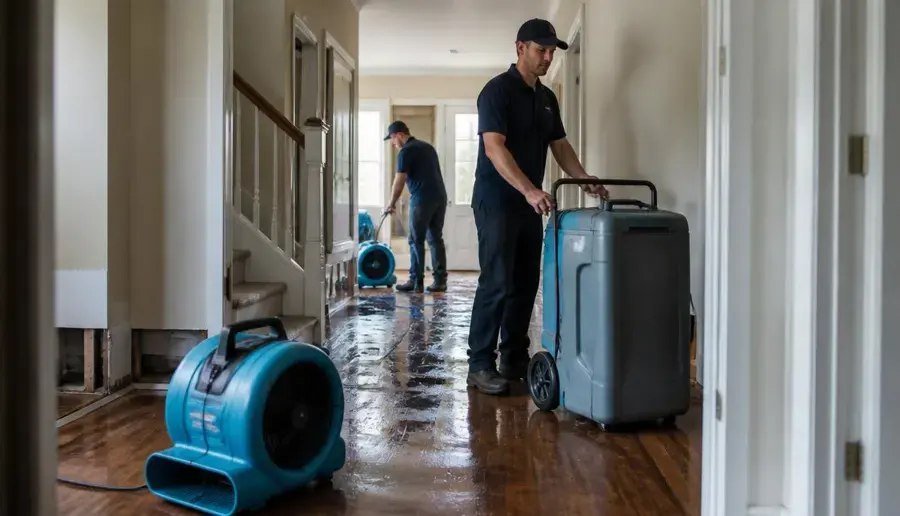
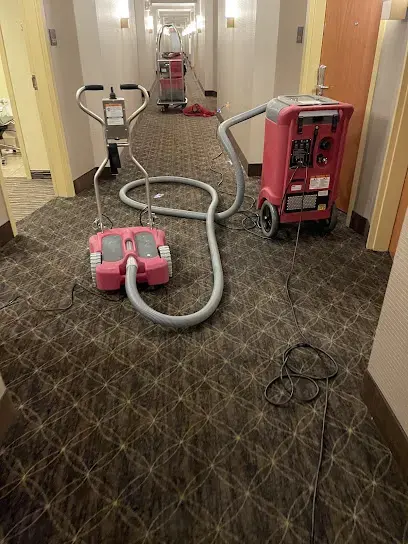
Storm and flash flood cleanupInside a water damage dry-out in La Vergne
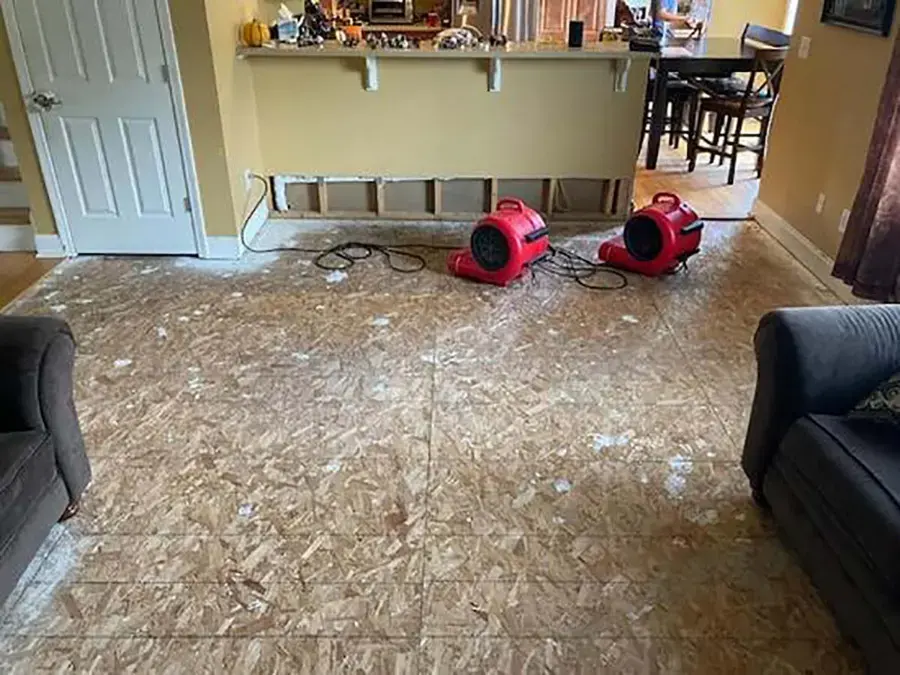

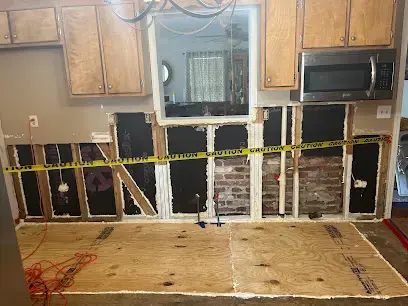
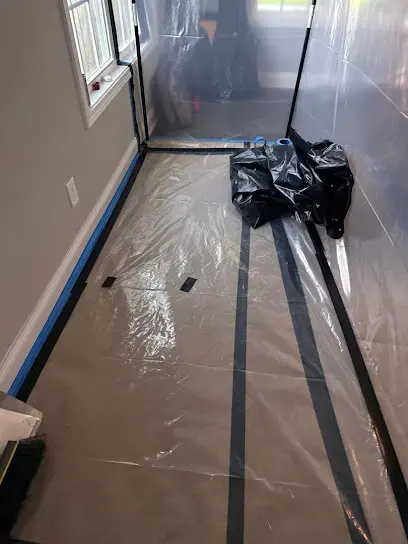
Documentation for your insurance claim
An adjuster decides a water claim from the file. A complete La Vergne claim file carries these pieces.
- The first-visit moisture map showing every wet material
- Psychrometric logs and material readings for every day of drying
- Timestamped photos taken before anything is removed
- Category and class of the loss, which decide what is removed and what is dried
- An itemized scope written the way adjusters read them
Check your own policy
A sudden pipe or appliance failure is treated differently from creek water rising into a home, which falls under flood coverage. Renters usually need their own policy for belongings.
Coverage depends on your policy, so it is worth checking with your own insurer. Before work starts, ask the restoration contractor who responds which logs and photos the file will include.
Water damage restoration across La Vergne and nearby towns
La Vergne neighborhoods and corridors
Water damage in La Vergne, TN: the local risk profile
La Vergne grew from 7,499 residents in 1990 to 38,719 in 2020, with Percy Priest Lake on its northeast edge. Rutherford County sits on karst terrain with limestone bedrock, and Hurricane Creek and Finch Branch drain the town.

during the Middle Tennessee flood, city leaders closed parts of La Vergne for high water, more than 130 vehicles were towed afterward, and the Bridgestone plant had water damage.
- Flash floods: FEMA's study finds Hurricane Creek and Finch Branch overflow, crest and recede within a few hours because of small drainage areas and steep slopes.
- Late winter rain: December to March brings the most rain, and major headwater floods are most likely in late winter and early spring.
- Homes from 1990 on: With a median build year of about 2002, original water heaters and roofs are now about two decades old.
- Apartments and condos: About 26% of households rent, and a leak in one unit can reach the unit below.
- Humid summers: Hot, humid air slows drying, so wet materials need dehumidification, not just fans.
La Vergne water damage questions, answered
What comes first when water shows up in a La Vergne home?
Stop the source at the main valve or the failed fixture, switch off power to wet rooms only from a dry breaker panel, and stay out of standing water near outlets. Take photos of everything, lift rugs and belongings, then get extraction started. Wet drywall and pad can grow mold inside 24 to 48 hours.
How fast does someone respond in La Vergne?
The response team dispatches day and night across ZIP 37086, and water that is still moving gets treated as urgent, weekends and holidays included.
What causes most water damage in La Vergne homes?
Flash flooding along Hurricane Creek and Finch Branch, leaks that travel from one apartment or condo to the next, aging water heaters and roofs in homes built around 2002, and appliance leaks.
Is my home in a flood zone?
FEMA maps flood zone AE and zone A along the creeks, and the Rutherford County flood map was updated May 9, 2023. Homes outside those zones can still flood in a heavy storm, as the May 2010 flood showed.
How do I know if a leak is under the slab?
Watch for a meter dial that turns while every faucet is closed, a floor spot that feels warm underfoot and carpet that stays damp with no leak in sight. The slab leak warning sign check adds them up.
How long until a La Vergne home is dry?
One room with clean water and low-porosity materials often reads dry within three to five days. Concrete, hardwood and leaks that crossed several rooms run longer, and the drying team removes equipment only when readings reach the dry reference.
What does IICRC S500 mean for a homeowner?
It is the restoration trade's written drying standard. It sets how wet materials get mapped, how Category 1, 2 and 3 water differ, how much equipment a room needs and what counts as dry.
Will insurance pay for water damage in La Vergne?
A sudden failure, like a supply pipe that splits, is often covered. Creek water rising into a home usually falls under flood insurance, and a sewer backup frequently needs an added endorsement. Your own insurer has the final word on your policy.
What happens when water comes from the unit above?
The drying team traces the source, dries the ceiling and walls in the affected unit and documents the damage with photos and readings that both owners and insurers can use.
Why is creek floodwater handled like sewage?
Water that crosses yards and streets carries soil, fuel and sewage, which makes it Category 3. Carpet, pad and drywall it soaked get removed, and hard surfaces are treated with an EPA-registered antimicrobial before the drying starts.
Water damage in La Vergne? Get the drying started today.
Each hour that water stays put, more pad, drywall and flooring is lost. The extraction crew gets the water out, then the drying team brings the structure back to a verified dry reading.
Smyrna, TN · Rutherford County · open 24/7